Faux Embroidery Canva Frame Letters: A Designer's Secret Weapon
There's a particular charm to embroidered text, isn't there? It feels handmade, personal, and textured, instantly adding a layer of warmth and authenticity to any design. But the reality of creating actual embroidery for every project—whether for a client mockup, a social media campaign, or a product label—is time-consuming and often impractical. That's where the clever solution of a digital asset like Faux Embroidery Canva Frame Letters_17 comes into play. It's not a static image file or a traditional font you install. Think of it as a custom-built, editable template system right inside Canva, designed to give you that coveted embroidered look with the ease of modern design tools.
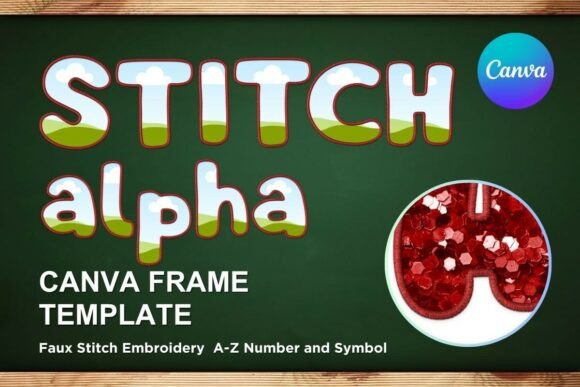
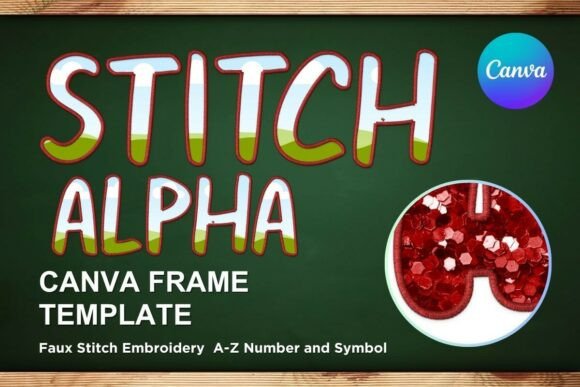
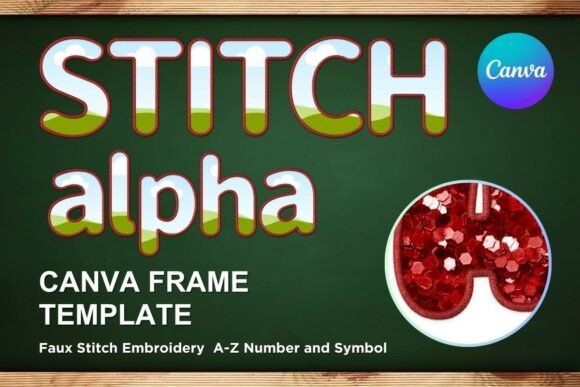
This specific digital file provides you with a direct link to a set of pre-made Canva frame templates. The "12x12 inch" paper size is a standard canvas that can be scaled to fit your project, from a small social media icon to a large poster. The real magic lies in the transparent layer and the frame structure. You're not just picking a letter style; you're working with a template that mimics the stitch patterns, shadows, and depth of faux embroidery. The design has a distinct personality—it's playful yet crafty, nostalgic but clean. The visual characteristics often include slightly rounded edges to simulate thread, subtle texture overlays, and a deliberate imperfection that feels human and approachable. It’s a style that avoids the sterility of perfect digital vectors, making it ideal for projects that need to connect on a more emotional, tactile level.
Where This Embroidered Style Truly Shines
The appeal of Faux Embroidery Canva Frame Letters_17 isn't just in its look, but in its versatility across a surprising range of applications. For brand identity and logo design, especially for businesses in the handmade, artisanal, wellness, or boutique retail space, this style can be transformative. Imagine a bakery logo, a boutique clothing tag, or a skincare brand's packaging. The embroidered texture communicates care, craftsmanship, and a personal touch without the associated production costs. It helps build a brand identity that feels genuine and memorable.
Beyond logos, consider its power in editorial design and publishing. A magazine feature on DIY crafts, a blog header for a lifestyle writer, or chapter titles in a cookbook can all benefit from this texture. It adds a focal point and a dose of personality that a standard serif font or sans serif font might not achieve. In the realm of packaging design, it can make a product stand out on a shelf crowded with minimalist, flat designs. The faux stitch effect is visually tactile, inviting customers to pick up the box or bag.
For digital creators, the applications are equally rich. Social media graphics for Instagram stories, Facebook posts, or Pinterest pins become instantly more engaging. The textured letters catch the eye in a fast-scrolling feed, increasing the chance of pause and interaction. It's a fantastic tool for creating cohesive marketing materials—think webinar titles, email newsletter headers, or promotional banners for a small business's seasonal sale. The consistency of using the same template set ensures a unified look across all touchpoints, reinforcing brand recognition.
Practical Guidance for Using the Template
Working with a premium font asset like this requires a thoughtful approach to ensure it enhances rather than clutters your design. First, evaluate the project fit. Ask yourself: does the audience and context align with a crafty, handmade aesthetic? It's perfect for a children's party invitation, a local farmer's market poster, or a blog about vintage finds. It might be less suitable for a corporate financial report or a high-tech product launch, where a sleek modern typography approach would be more appropriate.
Next, consider font pairing. The embroidered style is inherently a display font—best used for headlines, short titles, or single impactful words. Pair it with a clean, highly readable sans serif font for body copy. This creates a clear visual hierarchy: the textured letters draw the eye first, and the simple text supports the message without competing. For a more eclectic or whimsical feel, you could pair it with a simple script font for subheadings, but use caution to maintain readability.
Since this is an editable Canva template, you have significant control. You can change the colors of the stitches and the background to match your brand's palette. The ability to size it up or down is crucial for web design versus print. Always test the readability at the final size. While the texture is charming, it can become noisy if the letters are too small. For sublimation or vinyl projects, the transparent layer is a game-changer, allowing you to place your custom text over any background seamlessly. Finally, always review the commercial licensing included with your download to ensure it covers your intended use, whether for client work or selling finished products.
In essence, Faux Embroidery Canva Frame Letters_17 is more than just a design asset; it's a bridge between the desire for authentic, textured design and the practical needs of today's digital workflow. It empowers creators to add a signature style to their work efficiently, making it a valuable tool for anyone looking to infuse their projects with personality and craft.