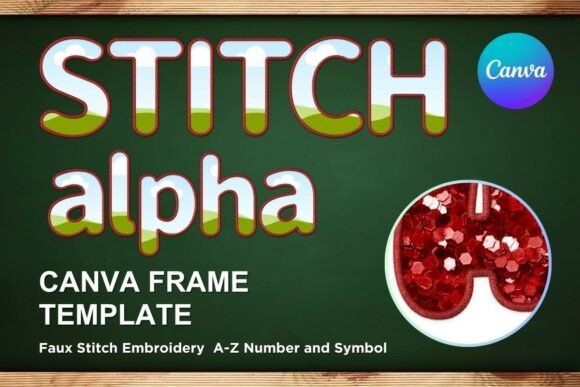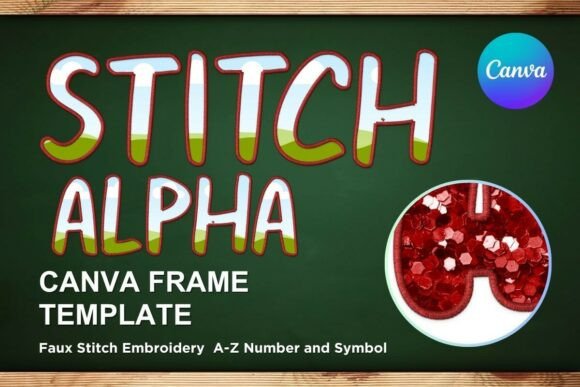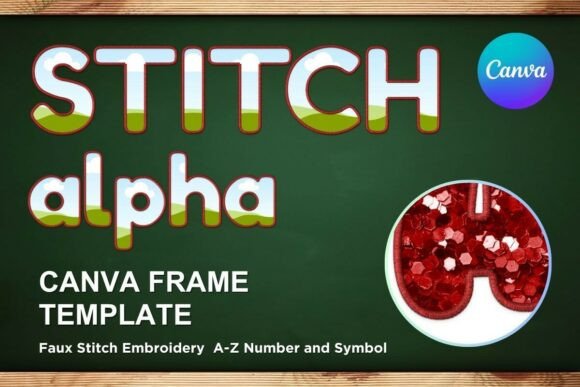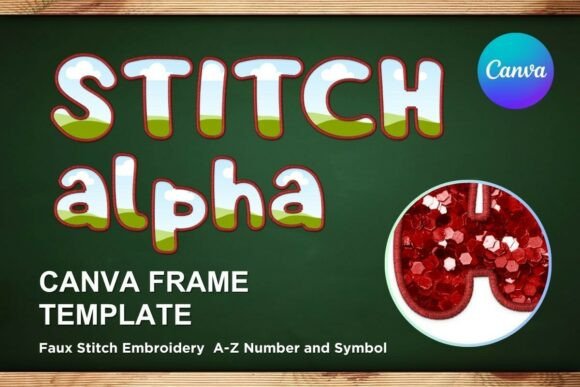
Faux Embroidery Canva Frame Letters_23: A Digital Designer's Secret
The charm of embroidery is timeless. It speaks of patience, tradition, and a handmade quality that feels deeply personal. But what if you could capture that textured, tactile essence for your digital projects without ever picking up a needle? That’s the exact problem Faux Embroidery Canva Frame Letters_23 solves. This is not a traditional font you install. It’s an editable Canva template—a digital framework that lets you build stunning, faux-stitched letterforms with your own images, colors, and patterns. It’s a creative tool built for the modern designer who values both aesthetic appeal and practical workflow.
The Anatomy of a Digital Stitch
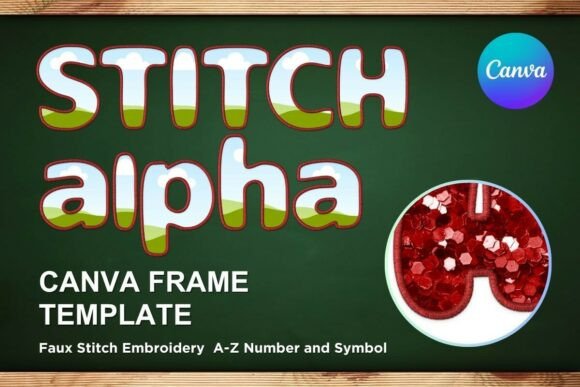
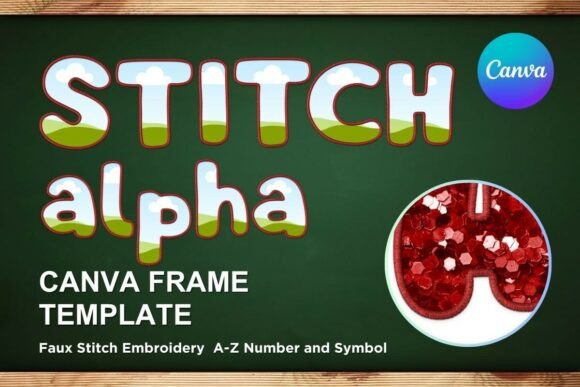
So, what exactly are you getting? The core of this product is a single PDF containing a link to a custom Canva template. Once you open it in Canva, you access a set of letterframes—A through Z, and likely numbers—designed to look like they’re embroidered. Each letter is a transparent layer with a "stitched" outline. Your job is simple: drag and drop any image or color fill into the frame. The template handles the rest, giving you the illusion of thread on fabric. The result is a premium font effect with a distinct, modern craft personality. It feels authentic without being rustic, and detailed without being cluttered.
This approach offers incredible flexibility. The visual characteristics are defined by the stitch pattern—typically a clean, slightly rounded satin stitch effect. The style leans more contemporary craft than vintage sampler, making it versatile for today's market. Its appeal lies in its ability to add instant texture, warmth, and a handcrafted vibe to any design. It’s a creative font solution that bridges the gap between digital precision and handmade artistry.
Where This Typeface Truly Shines
Understanding where to deploy Faux Embroidery Canva Frame Letters_23 is key to leveraging its strength. As a display font, it’s built for impact, not body text. Think of it as the headline act, not the supporting player. Its textured nature makes it perfect for projects where you want to evoke a specific feeling—coziness, authenticity, care, or artisanal quality.
- Branding & Logo Design: For small businesses in the lifestyle, home goods, boutique food, or handmade markets, this typeface can form the cornerstone of a brand identity. Imagine a logo for a local coffee roaster, a pottery studio, or a children's clothing line. The faux embroidery effect immediately communicates a story of craftsmanship.
- Packaging Design: Product labels, hang tags, and box designs for artisanal products can benefit immensely. The texture suggests quality and attention to detail, helping a product stand out on a shelf or in an online photo.
- Social Media Graphics: Instagram stories, quote graphics, and promotional posts need to stop the scroll. The unique, tactile look of these letters creates high visual hierarchy and engagement. It’s perfect for announcements, sale banners, or adding personality to content from bloggers and influencers.
- Digital & Print Publishing: Use it for chapter titles in an e-book, section headers in a digital magazine, or featured titles on a blog. For print, it’s ideal for posters, event invitations, or editorial design elements that need a touch of warmth.
- Personal Projects & Crafting: This is where the fun really begins. Create custom sublimation letters for t-shirts, tote bags, or mugs. Design unique monograms for gifts, or craft headers for personal planners and journals. The 12x12 inch paper size is perfect for scrapbooking and card-making enthusiasts.
Making It Work: Practical Guidance for Your Projects
Adopting any new design asset requires a bit of strategy. Here’s how to evaluate and use Faux Embroidery Canva Frame Letters_23 effectively.
Evaluating Project Fit
First, assess the mood of your project. Does it call for a sleek, minimalist, and corporate feel? If so, this font might be too decorative. But if your goal is to feel approachable, creative, or nostalgic, it’s a strong candidate. Always consider your audience. Adults aged 20-50, especially those in creative fields or who value handmade aesthetics, will immediately connect with its visual language.
Mastering Font Pairing
A textured display font like this needs a calm, clean partner to ensure readability and visual balance. The golden rule is contrast. Pair it with a simple sans serif font for body text—think Open Sans, Lato, or Montserrat. This creates a clear font pairing where the embroidery headline grabs attention, and the clean text provides easy reading. You could also pair it with a gentle script font for a secondary accent, but use this sparingly to avoid visual chaos.
Testing for Readability
While the letters are designed for clarity, the filled texture can affect small sizes. Always test your final design at the intended viewing size. For web use, ensure the headline remains legible on mobile screens. For print, check the resolution of your fill image to avoid pixelation. The beauty of the Canva template is that you can easily adjust the scale—size it up for a bold poster or down for a subtle detail on a business card.
Understanding the Licensing
This is a commercial font template, meaning you can use the designs you create with it for both personal and commercial projects. You’re not just buying a font; you’re buying a design tool. However, you cannot resell the template itself or the letter frames as a standalone asset. Use it to create products for sale, but don’t redistribute the core template.
A Final Pro Tip
Don’t limit yourself to standard color fills. Experiment with subtle gradients, wood grain textures, marble patterns, or even fabric scans as your fill layer. This is how you move from using a template to creating truly unique, professional-grade design assets. The transparent layer makes this experimentation seamless, allowing the "stitch" outline to sit perfectly on top of any background you choose.
In the end, Faux Embroidery Canva Frame Letters_23 is more than a novelty. It’s a practical, versatile tool for injecting personality and texture into digital work. It acknowledges a growing desire for designs that feel human and crafted, providing a shortcut to that aesthetic without the steep learning curve of advanced software. For the designer, marketer, or crafter looking to add a new dimension to their work, it’s a compelling asset worth exploring.