Design Your Style: Versatile Key & Jewelry Cutting Templates with Canva Frames
For crafters and designers who work with physical materials, the bridge between a digital idea and a tangible product is often the most challenging part of the process. You might have a stunning concept for a personalized keychain or a delicate pendant, but translating that into a precise, cut-ready file can be a technical hurdle. This is where the right design assets become invaluable, not just as a starting point, but as a reliable foundation for your creative vision. The Key & Jewelry: Canva Frame! 061 collection is built specifically for this purpose, offering a suite of templates that merge the accessibility of Canva with the precision required for cutting machines.
A Practical Toolkit for Modern Crafters
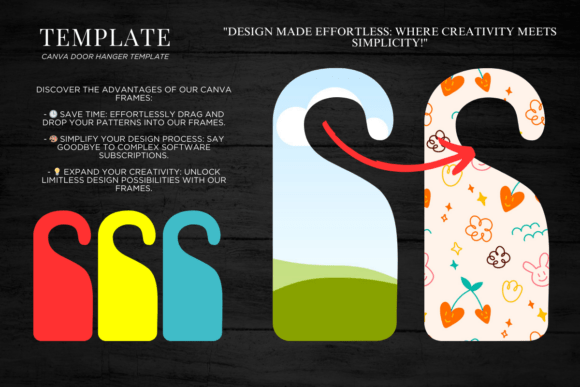
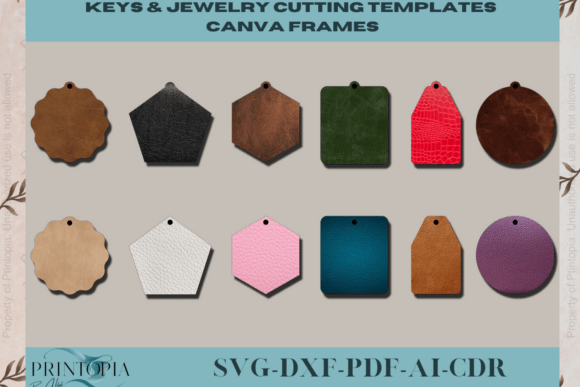
At its core, this collection is a set of versatile key and jewelry cutting templates. Think of them as master outlines—frames, if you will—that you can customize completely within Canva. The visual style is clean and adaptable. You'll find a range of shapes, from classic geometric forms for minimalist designs to more ornate silhouettes suitable for vintage-inspired pieces. The appeal isn't in a single, rigid aesthetic, but in its neutrality. These templates provide the structure, while your creativity supplies the personality. Whether you're aiming for a sleek, modern typography-inspired look or a rustic, handcrafted feel, the frame is your canvas.
The true strength lies in its multi-format compatibility. The package includes SVG, DXF, AI, PDF, and CDR files. This isn't just a list of acronyms; it's a direct response to the fragmented software landscape creators navigate daily. A designer using Cricut Design Space needs a different file than someone operating a laser cutter with LightBurn or a professional working in Adobe Illustrator. By providing native files for these programs, the collection respects your existing workflow. You can open the SVG in Silhouette Studio, tweak the AI file for a client project, or use the PDF for a quick print-and-cut mockup. This eliminates the frustrating trial-and-error of file conversion, which often corrupts paths and ruins intricate details.
From Digital File to Brand Touchpoint
While the immediate application is personal crafting, the implications for small business owners and entrepreneurs are significant. Consider a boutique jewelry brand. Consistent, recognizable packaging is a cornerstone of a strong brand identity. Using these templates, you can design custom hang tags, branded keychains for promotional giveaways, or even distinctive earring cards. The ability to add your own logo, brand colors, and patterns within Canva means you can create cohesive packaging design elements without needing a dedicated graphic designer for every new SKU.
This extends into marketing and digital realms. A blogger or content creator could design unique, on-brand merchandise. A marketer could create physical thank-you gifts for influencers that feature a custom-shaped charm with the campaign's visual language. The templates become more than craft files; they are design assets that support a broader strategy, helping to build recognition and foster a tangible connection with an audience. The professionalism of a well-executed physical product often elevates perception far beyond its material cost.
Making Informed Design Choices
Adopting a new set of templates requires a thoughtful approach to ensure they integrate smoothly into your projects. Here’s how to get the most out of this collection:
- Evaluate Project Fit: Before diving in, consider the end product's scale and material. A intricate, lace-like frame might be stunning for a large wall piece but could be too delicate for a small keychain cut from thick acrylic. Use the Canva Frame interface to mock up your design at actual size to check proportions and detail viability.
- Master the Canva Interface: The drag-and-drop simplicity of Canva is its greatest asset. Experiment with layering images inside the frame, applying textures as backgrounds, and using the text tools to add names or messages. Remember that for cutting, any internal details (like text) will become separate cut lines, so ensure your design is "connected" if you want a single piece, or plan for weeding if you're using vinyl.
- Consider Readability and Hierarchy: In any design that incorporates text, visual hierarchy is key. If you're engraving a quote onto a pendant, the font you choose within Canva must be legible at the final size. Avoid overly complex script fonts for very small applications. Use bold weights for emphasis and ensure sufficient contrast between the text and its background for both screen viewing and physical engraving.
- Test Your Cutting Workflow: Always do a test cut on scrap material using your chosen file format. This verifies that the paths are clean and that your machine's software interprets the design correctly. It's far better to discover an issue on a test piece than on your final material. This step is crucial for maintaining a professional standard and avoiding wasted resources.
The Key & Jewelry: Canva Frame! 061 collection is less about providing a finished design and more about providing a reliable, professional-grade starting point. It acknowledges that the most compelling creations come from a partnership between a solid technical foundation and unbridled creative application. By handling the technical compatibility, it frees you to focus on what matters most: designing something that is authentically yours. Whether you're building a product line, enhancing a brand, or simply pursuing a hobby with greater precision, these templates offer a practical pathway from imagination to reality.