Craft Your Culinary Masterpiece: The Editable Recipe Book Template
Every great dish starts with a vision, but translating that vision into a tangible, shareable collection often stumbles at the design stage. For food bloggers, aspiring chefs, and home cooks who have accumulated a lifetime of recipes, the gap between a messy stack of index cards and a professionally published cookbook can feel insurmountable. This is where the utility of a high-quality Editable Recipe Book Template becomes not just a convenience, but a creative necessity. It serves as the structural foundation upon which your culinary legacy is built, allowing the flavors of your food to be matched by the visual appeal of your pages.
A Visual Feast: Understanding the Design Aesthetic
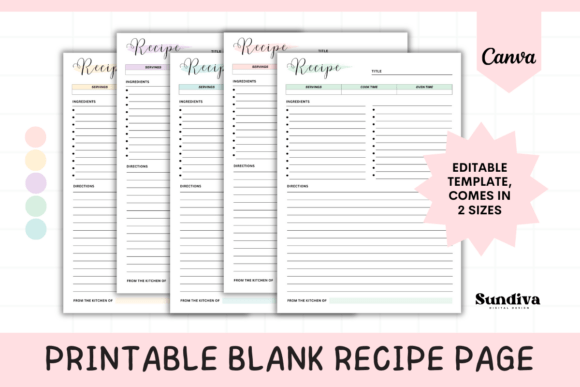
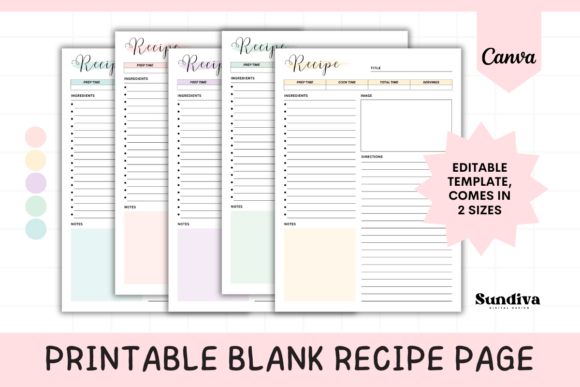
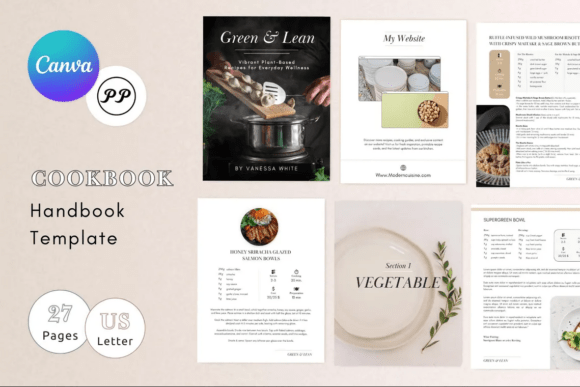
The true power of a digital asset like the Canva Template Cookbook lies in its ability to balance structure with flexibility. Visually, a well-designed template avoids the sterile look of generic word processors. Instead, it embraces modern typography and intentional white space. The personality of this template is one of organized elegance. It doesn't scream for attention with chaotic graphics; rather, it whispers sophistication through clean lines, cohesive color palettes, and strategic placement of photo frames.
When you open the file, you are greeted with a style that feels curated. The layout relies on a strong visual hierarchy, ensuring that the title of a dish commands attention while the ingredients list remains legible and functional. The aesthetic is versatile, leaning into a minimalist approach that allows your food photography to do the heavy lifting. Whether you choose a rustic theme for a homestyle collection or a modern layout for a health-focused guide, the visual character remains professional. It is designed to act as a frame for your content, not a distraction from it.
Practicality Meets Polish: Where This Template Excels
For the entrepreneur or content creator, an Editable Recipe Book Template is a versatile design asset. Its application extends far beyond a simple spiral-bound book for the kitchen counter. In the realm of digital publishing, this format is perfect for creating lead magnets—downloadable PDFs that entice subscribers to join your mailing list. A beautifully formatted "Top 10 Summer Salads" eBook can be a powerful tool for brand identity development.
Furthermore, the template adapts seamlessly to various commercial ventures. A small business owner running a bakery or a meal-prep service can use these layouts for packaging design inserts or customer loyalty gifts. Bloggers can extract individual pages to create cohesive social media graphics, ensuring that their Instagram feed matches the style of their downloadable products. The ability to export as a PDF for print means you can produce physical copies for local markets, gifts for family, or merchandise for an online store without needing a professional publisher to handle the layout.
The Mechanics of Editability: A Designer’s Perspective
As a designer, I often see clients struggle with rigid file formats. The genius of a Canva-based system is the democratization of editorial design. You do not need to master complex software like Adobe InDesign to produce a polished result. The "100% Editable" promise is crucial here. It means you are not just filling in blanks; you are engaging with the font pairing and color theory embedded in the file.
For instance, the template likely utilizes a combination of a display font for headers and a highly readable sans serif font for body text. If the provided typeface doesn't resonate with your brand's voice, you have the agency to change it. Perhaps you want to swap the headers to a script font for a more personal touch, or change the body to a serif font for a traditional, cookbook feel. This flexibility allows you to evaluate the commercial font options you prefer and test font pairings that align with your specific brand identity. The goal is to ensure readability remains high, regardless of the stylistic changes you make.
Maximizing the Value of Included Assets
A comprehensive template pack offers more than just recipe pages. The inclusion of "About Me" pages, introductions, and glossaries is vital for creating a complete narrative. These sections transform a collection of instructions into a story. The meal planner and kitchen conversion charts add tangible utility, increasing the perceived value of the final product for your audience.
When utilizing these extras, consistency is key. The section dividers and quote pages serve as breathing room in the layout, preventing visual fatigue for the reader. By maintaining the cohesive themes provided—be it Modern, Rustic, or Minimalist—you ensure that every page turn feels intentional. This attention to detail signals professionalism to your audience, whether they are downloading a free PDF or purchasing a printed copy. It elevates the perception of your content from a simple list of ingredients to a premium culinary guide.
Final Thoughts on Execution
Ultimately, an Editable Recipe Book Template is a bridge between your culinary passion and professional presentation. It solves the logistical headache of layout and design, freeing you to focus on the content itself—the stories, the flavors, and the techniques. By leveraging the provided design assets and understanding how to manipulate the visual hierarchy, you can create a publication that stands shoulder-to-shoulder with books found in major bookstores. Whether for personal keepsakes, digital products, or commercial sales, this tool provides the necessary scaffolding to present your food with the respect and style it deserves.